

Key Takeaways
- Metabolism naturally slows with age due to muscle loss and hormonal changes
- Protein-rich meals and regular eating patterns help boost metabolic rate
- Strength training and cardio activities can counteract age-related metabolism decline
- Quality sleep and stress management play important roles in metabolic health
Boost Your Metabolic Health After 60
You might notice your body doesn’t burn calories the same way it did in your 40s or 50s. Maybe you’re eating the same foods and staying just as active, but the scale creeps up anyway. This common experience happens because your metabolism naturally shifts as you age.
You can take specific steps to speed up your metabolism and feel more energetic, even after 60. With the right combination of nutrition choices, physical activity, and lifestyle adjustments, you can work with your body’s changes rather than against them.
At Grand35 Apartments, our team sees how the right environment and an engaging lifestyle can help people thrive during their retirement years.
Why Your Metabolism Slows Down with Age
Your body goes through several changes that affect how quickly you burn calories.
A significant factor is muscle mass loss, which happens gradually starting in your 30s and accelerates after 50. Since muscle tissue burns more calories than fat tissue, even when you’re resting, less muscle means fewer calories burned throughout the day.
Hormonal shifts also play a role in metabolic changes. Your thyroid function may slow slightly, and changes in hormones, including testosterone and estrogen, can affect how your body processes food and stores energy.
Many people become less active as they age. Staying active does more than burn calories—it engages multiple systems in your body to support healthy aging, including raising energy levels, elevating mood, and maintaining bone strength.
These changes don’t happen overnight, but they add up over time. The good news is that you have more control over your metabolic rate than you might think.
Nutrition Strategies to Boost Your Metabolism
Build a Balanced Plate
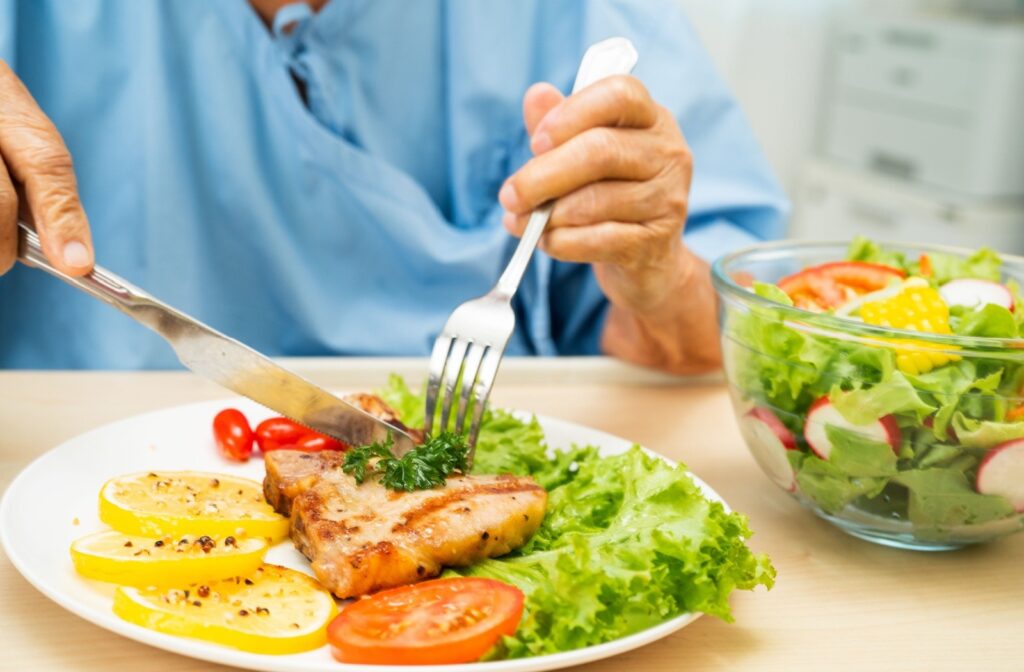
Your food choices directly impact how efficiently your body burns calories. Protein becomes especially important after 60 because it requires more energy to digest and helps maintain muscle mass.
Aim to include a palm-sized portion of protein at every meal, whether it’s fish, lean meat, eggs, beans, or Greek yogurt.
Choose whole grains like brown rice, quinoa, and oats over processed options. These complex carbohydrates require more energy to break down, giving your metabolism a small boost.
Spices such as ginger, cayenne pepper, and cinnamon can also temporarily increase your metabolic rate after meals.
Smart Eating Habits
When you eat matters almost as much as what you eat. Eating smaller meals every 3–4 hours keeps your metabolism active throughout the day. The approach helps prevent the energy dips that come with long gaps between meals and helps maintain steady blood sugar levels.
Staying properly hydrated supports all your body’s functions, including metabolism. As we age, our internal “thirst alarm” doesn’t always ring as loudly as it used to. You might be dehydrated even if you don’t feel thirsty.
Generally, adults should aim for 4–6 glasses of water daily, and adjust accordinly based on activity levels.
Cut back on sugary drinks and limit caffeine to moderate amounts, as too much can interfere with sleep quality. You can also talk to your healthcare provider or explore healthy meal planning strategies designed for older adults.
Physical Activity That Makes a Difference
Types of Exercise to Try
Movement is one of the most effective ways to combat age-related metabolic slowdown.
Low-impact cardio activities like brisk walking, swimming, or cycling get your heart pumping without putting stress on your joints. Even 30 minutes of moderate activity most days can make a noticeable difference.
Strength training can directly address muscle loss. You don’t need heavy weights to see benefits. Light dumbbells, resistance bands, or bodyweight exercises like modified push-ups can help maintain and build muscle tissue that burns calories around the clock.
Staying active in retirement becomes easier when you have access to a comprehensive fitness center and supportive community programs.
Make Movement Enjoyable
The most effective exercise routine is one you’ll actually stick with. Try different activities until you find ones that feel enjoyable rather than like work. Dancing, gardening, or playing with grandchildren all count as metabolism-boosting movement.
Start slowly if you haven’t been active recently. Even 10 minutes of movement can be the first step toward a healthy lifestyle. You can gradually increase duration and intensity.
Group fitness classes tailored to your age group can provide motivation, social connection, and physical benefits. Low-impact exercises for seniors can offer safe, effective ways to maintain fitness as you age.
Lifestyle Changes That Support Your Metabolism
Quality sleep directly affects your metabolic rate and the hormones that regulate hunger. When you don’t get enough rest, your body produces more ghrelin (the hunger hormone) and less leptin (the fullness hormone).
Your sleep naturally changes with age, and you may need to adjust habits to improve your rest. Aim for 7–9 hours of sleep each night and maintain a consistent bedtime routine.
Chronic stress can slow your metabolism and promote fat storage. Explore stress-reduction techniques like deep breathing, meditation, or gentle yoga. Even 10 minutes of relaxation daily can help regulate stress hormones that affect your metabolic rate.
Regular health check-ups help you monitor thyroid function, blood sugar levels, and other factors that influence metabolism. Your healthcare provider can identify any underlying issues that might be affecting your energy levels or weight management.
Take the Next Step Toward Improving Your Health
You don’t need to overhaul your entire lifestyle overnight. Pick one or 2 strategies from this list and focus on making them habits before adding more changes. Maybe you’ll start by adding protein to breakfast or taking a 15-minute walk after dinner.
At Grand35 Apartments, our team understands that maintaining your health and vitality is easier with the support of an active community and supportive lifestyle programs.
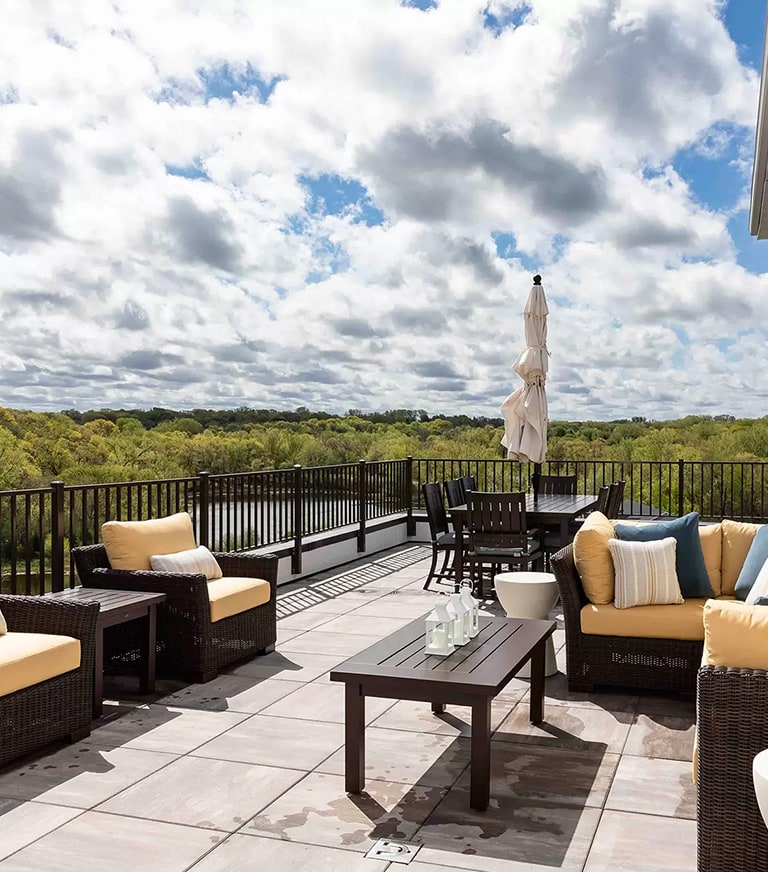
Our independent living community offers a comprehensive gym, beautiful outdoor spaces for activities, and the social connections that make healthy living more enjoyable and sustainable.